Brutinel Visitors Pavillion
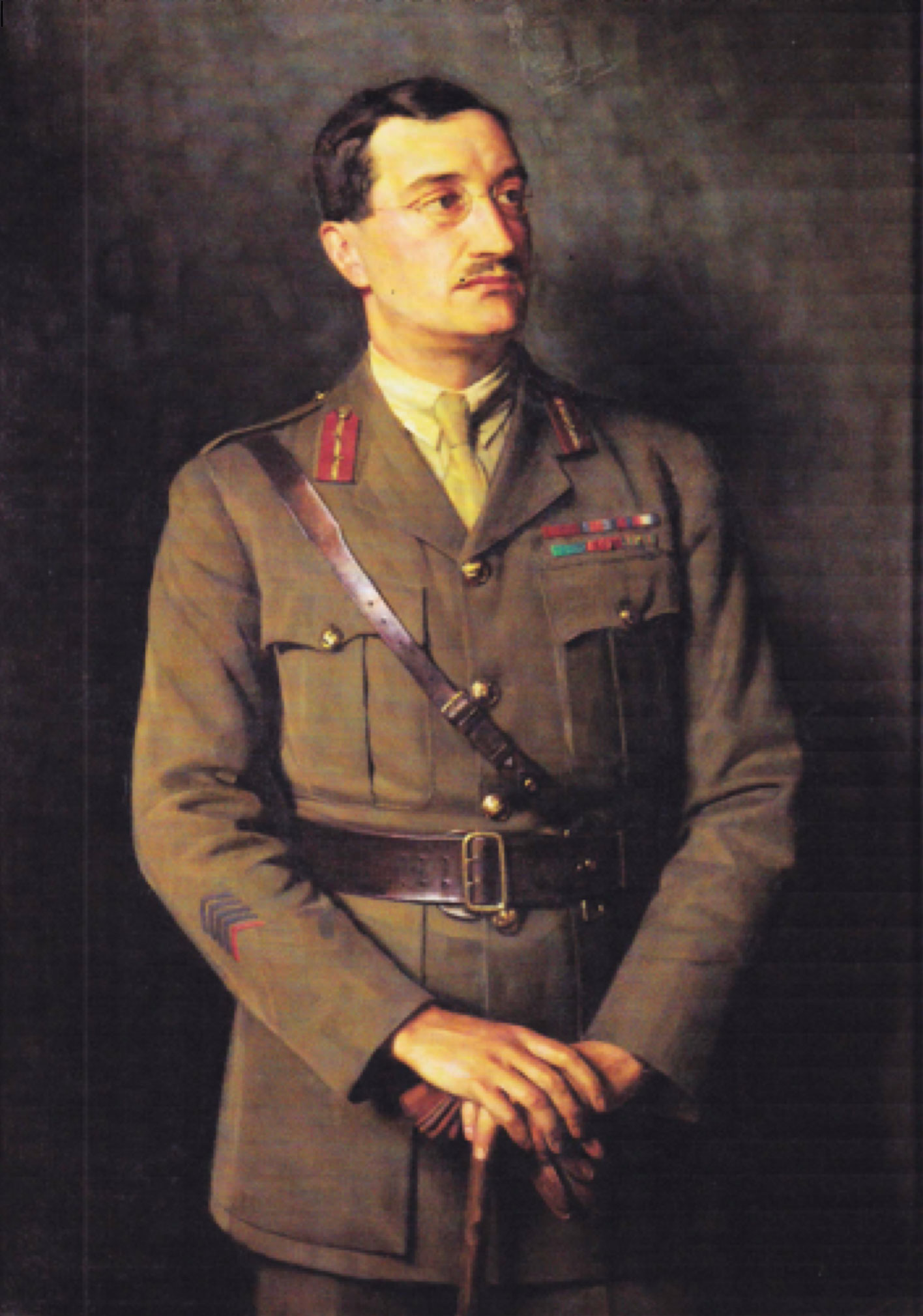
Brigadier-General Raymond Brutinel
Brigadier General (Canada) Raymond Brutinel, Companion of the Order of the Bath (CB, United Kingdom), Commander of the Order of St. Michael and St. George (CMG, United Kingdom), Recipient of the Distinguished Service Order (DSO, United Kingdom), The Croix de Guerre (France), and Commander of the Legion of Honour (France), was by all accounts a man of exceptional energy, intellect and vision.
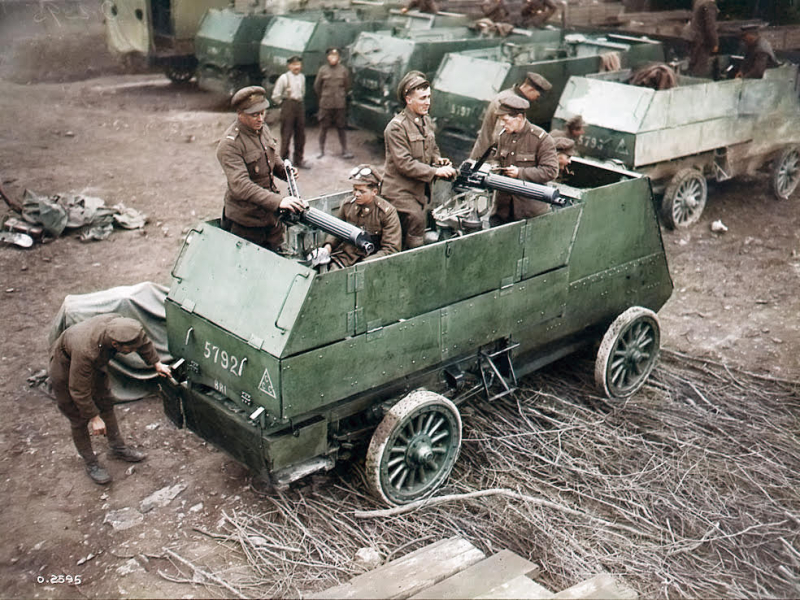
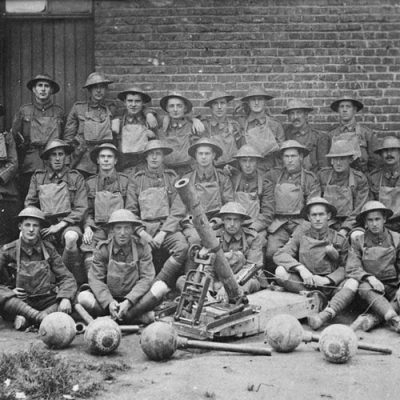
Born on May 6, 1882 in Alet-les-Bains (Aude) in southwest France, he first served with le 53e Régiment d'infanterie of the French Army before moving to Canada in 1905 where he made his fortune in the burgeoning railway, mineral extraction, and real estate industries on the western prairies. An avid reader of military affairs and sensing the clouds of war gathering over Europe in 1914, he undertook to design and help fund the construction of a squadron of 8 armoured cars along with 12 support vehicles that he had built at the Autocar Company of Pennsylvania (USA). Initially armed with Model 1895 Colt Machine guns (replaced in 1916 with the British Vickers), and weighing 3 tons, each armoured car had a crew of up to 8, could attain a maximum speed of 64 kph (40 mph) and carry 12,000 rounds of ammunition. By this time, Brutinel had come to the attention of Canadian officials, who after understanding his intent, persuaded him to join the fledgling Canadian Expeditionary Force, appointing him the Commander of its First Motor Machine Gun Brigade. Significantly the Brigade became the first fully mechanized unit in the British Empire.

Throughout the First World War, Brutinel’s force slowly gained acceptance for their role on the battlefield. Whenever called upon, they performed with great courage and determination. At the Battle of Hill 70, after providing covering fire for the opening attack, his men broke up waves of advancing German troops as the latter repeatedly counterattacked Canadian positions. In March 1918 when the Germans broke through Allied lines, “the Motors” fought a 19-day running battle across a 56 kms (35-miles) front, covering the chaotic retreat of the British 5th Army. By the end of the war the Canadian Corps had become widely acknowledged as a leader in the art of mechanized warfare.
In 1920 Brutinel returned to Europe but retained his Canadian ties. During the German invasion of France in 1940, he helped the Canadian Ambassador to France, George Vanier, and his staff escape to Spain. Throughout the rest of the war, he worked with the French Resistance to assist escaped prisoners of war and downed Allied airmen. Brutinel was a naturalized Canadian citizen. He died on September 21, 1964 in his Chateau near Couloumé-Mondebat, Gers, France.
Photo Credit: Libraries and Archived Canada
ENTRANCE
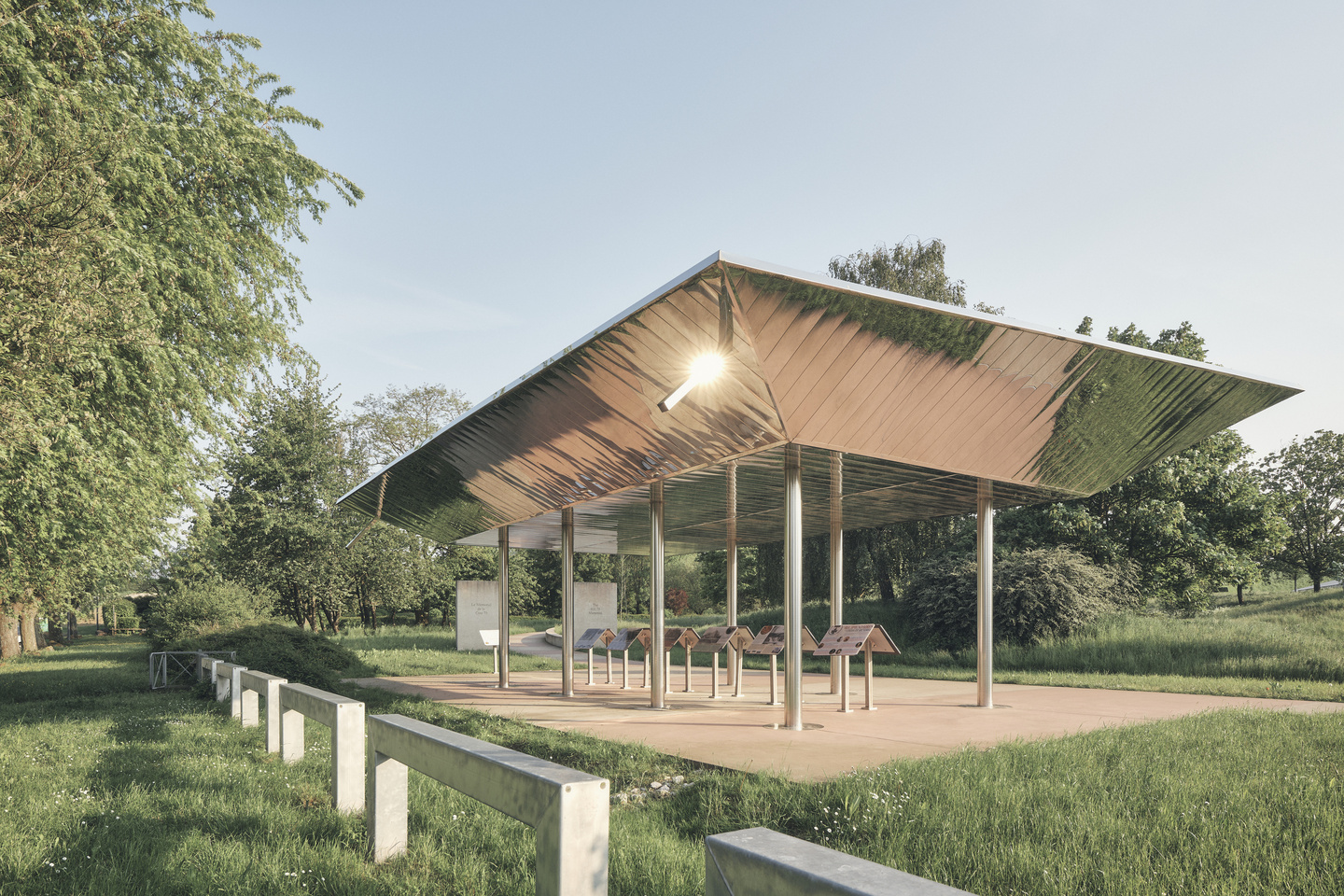
Visitors Pavillion
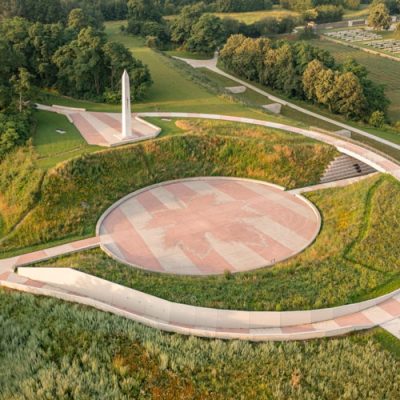
The entry point to the Hill 70 Memorial Park is the Brutinel Visitors Pavilion, a welcoming gateway to the site, that serves as an interpretive hub where visitors are introduced to the Battle of Hill 70, the design of the Park, and the broader story of Canada’s role in the First World War. The Pavilion is named after Brigadier General Raymond Brutinel, a Canadian born in France, whose innovative design and construction of armoured vehicles used in the Battle of Hill 70, helped turn the tide of the Great War.
How the Project got started.
Find out more below.