
About the battle

For the first time in its history, Canada went to war under its own command.
Not Vimy, not Passchendaele. But the Battle of Hill 70.

The Battle of Hill 70.

The Battle that forged a nation.

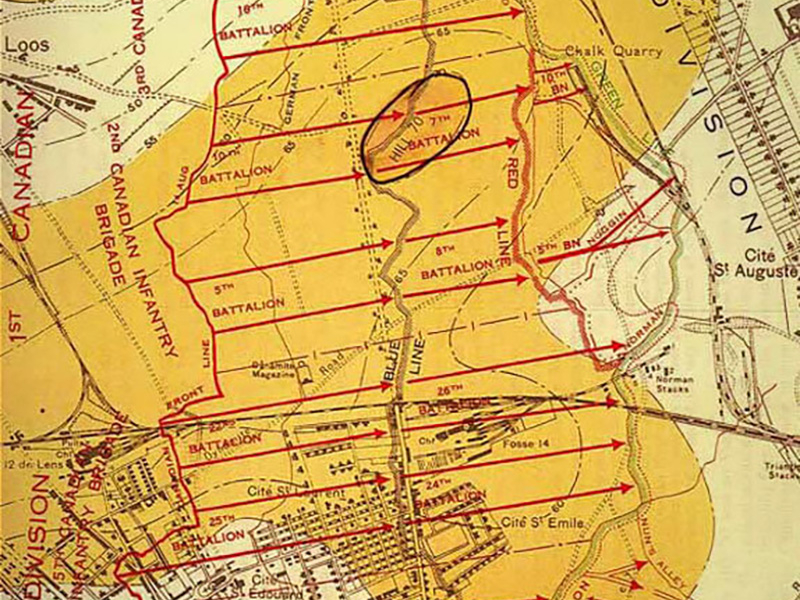
In August 1917, on a rise of ground outside the French city of Lens known as Hill 70, the Canadian Corps fought as an independent Canadian-led force under Lieutenant-General Sir Arthur Currie, and in doing so helped shape Canada’s identity as a nation. At that moment, the wider war was in crisis, with Russia collapsing into revolution, the French Army shaken by mutiny, and Great Britain strained by submarine and air attacks, while the Allies prepared a major offensive in Belgium at Passchendaele. To draw German strength away from that battle, the Canadians were ordered to attack Lens, but Currie instead chose to seize the high ground of Hill 70, knowing that if Canadians held the heights, German forces would be forced to counterattack and could be shattered as they came on.

hill70battle-1

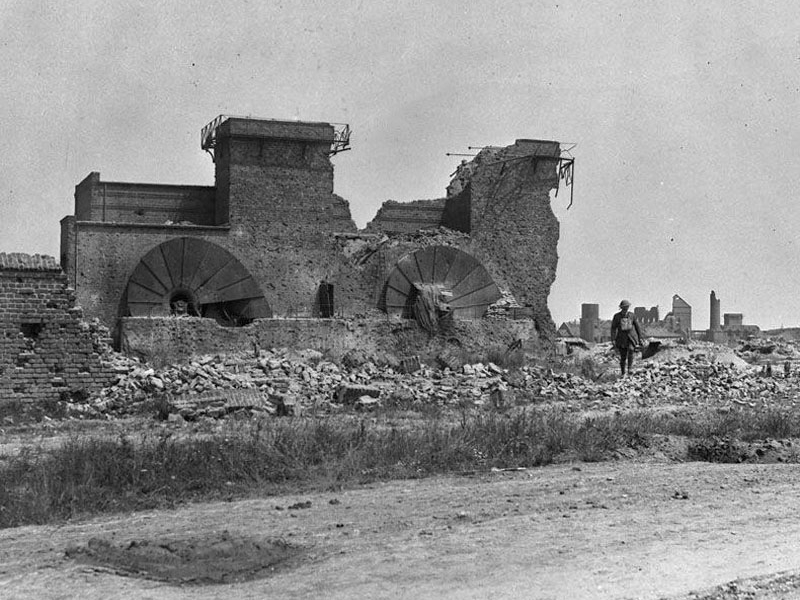
Before dawn on August 15, 1917, Canadian troops stormed across no man’s land and captured Hill 70 under the cover of a fierce artillery barrage. Over the next days, they beat back repeated German counterattacks, inflicting heavy losses while holding their hard-won positions. The Canadians suffered roughly 9,200 casualties in the fighting around Hill 70 and Lens, while German losses were far higher – up to 25,000 – and several of their divisions were badly depleted. Six Canadians received the Victoria Cross for extraordinary bravery in these actions, and the Canadian Corps emerged with a growing reputation as the “Shock Army of the British Empire.

hill70battle-2

Did you know?

Hill 70 is so named because the hill that was captured had an elevation of 70 metres above sea level.

Hill 70 was more than a tactical success; it marked a turning point in how Canada saw itself. A Canadian General, leading a Canadian Corps, planned and won a difficult battle using new tactics and careful preparation, proving that Canada could lead on the world stage and not simply follow. For Canadians today, Hill 70 stands as a reminder that our nationhood was forged not only in parliaments and treaties, but also in courage, sacrifice, and independent decision-making under fire. It challenges each new generation to meet its own tests with the same quiet determination and shared sense of purpose that once carried Canadian soldiers up a muddy slope in France and turned a hill into a symbol of a country coming into its own.

hill70battle-4

Quick Facts

Of the 100,000 Canadian soldiers that fought, 1,877 lost their lives. The Canadian Corps fought back 21 counter attacks by the German army which is estimated to have lost as many as 25,000 lives.

The Battle of Hill 70 took place over 10 days from August 15-25, 1917.

There are more Victoria Crosses – 6 in total – awarded to soldiers at the Battle of Hill 70 than any other battle of the First War.

Canadian in charge

A Canadian General, leading a Canadian Corps, planned and won a difficult battle using new tactics and careful preparation, proving that Canada could lead on the world stage and not simply follow.

For further reading

project-4

In Memoriam

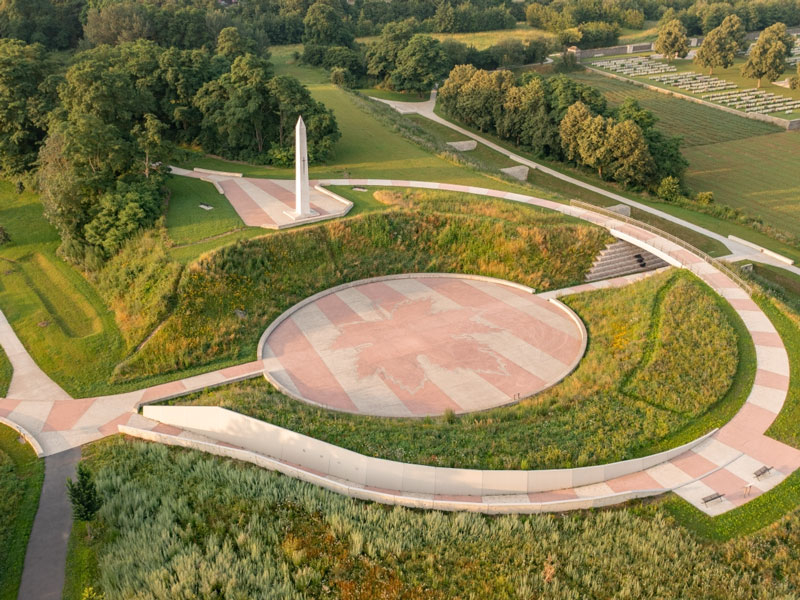
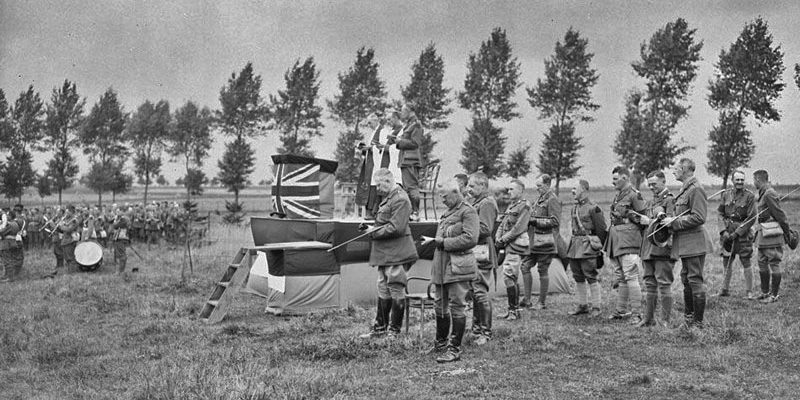
A tribute to the soldiers of the Canadian Corps who fought and died during the Battle of Hill 70, August 15th to 25th, 1917. Their courage and sacrifice forged a legacy of freedom that endures to this day.
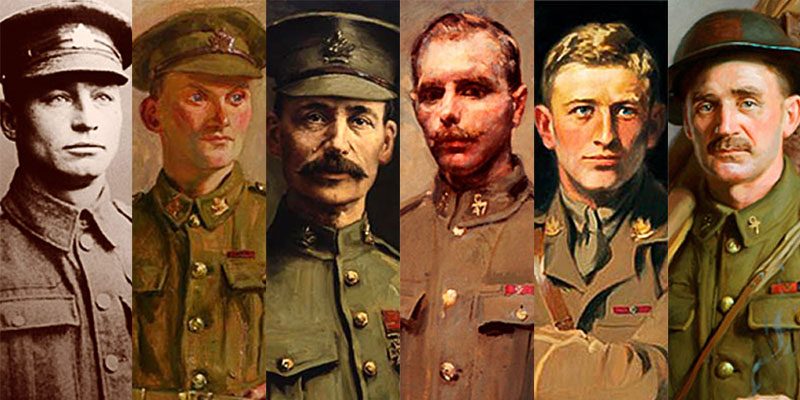
vcr

Victoria Cross Recipients

The Victoria Cross (VC) is the highest military decoration awarded for valour "in the face of the enemy". The VC was introduced by Queen Victoria to honour acts of valour during the Crimean War.