Photo Credit - Castro Denissof Associate

Where Canada Took Command: Hill70 Memorial Park prepares to inaugurate the Brutinel Visitor Pavilion June 10, 2026

19 May 2026: Kingston, ON – On Wednesday, 10 June 2026, an important ceremony in Loos-en-Gohelle, France, will highlight the battle where the Canadian Corps first fought under Canadian command — and offer a reminder, in a more precarious world, of what it means for a country to take responsibility for its own defense and that of its allies.

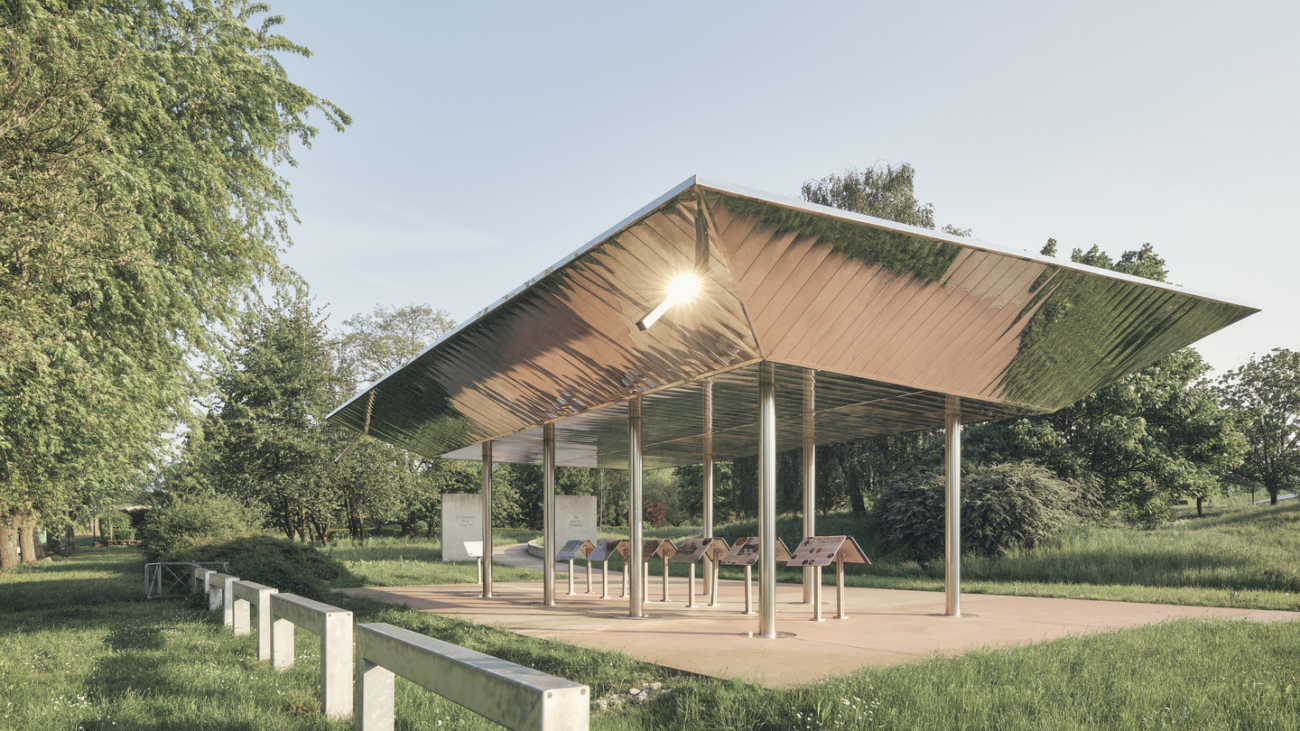
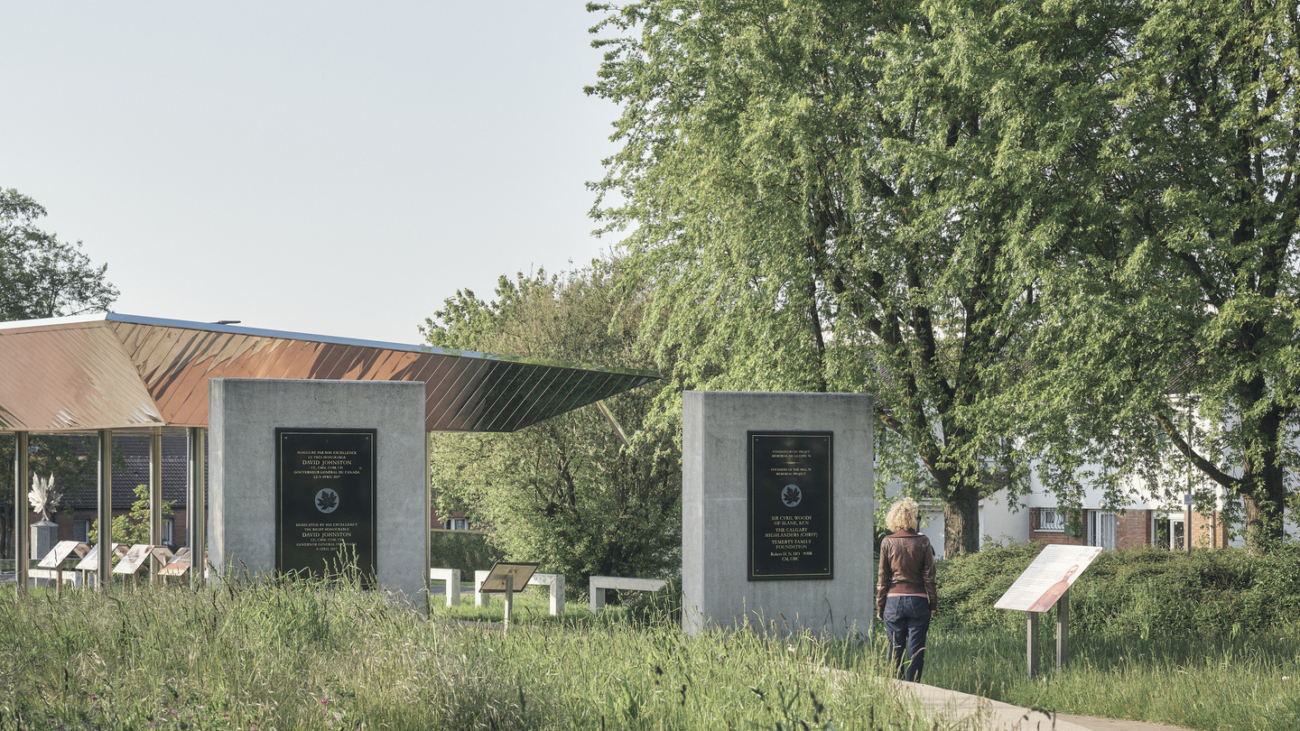
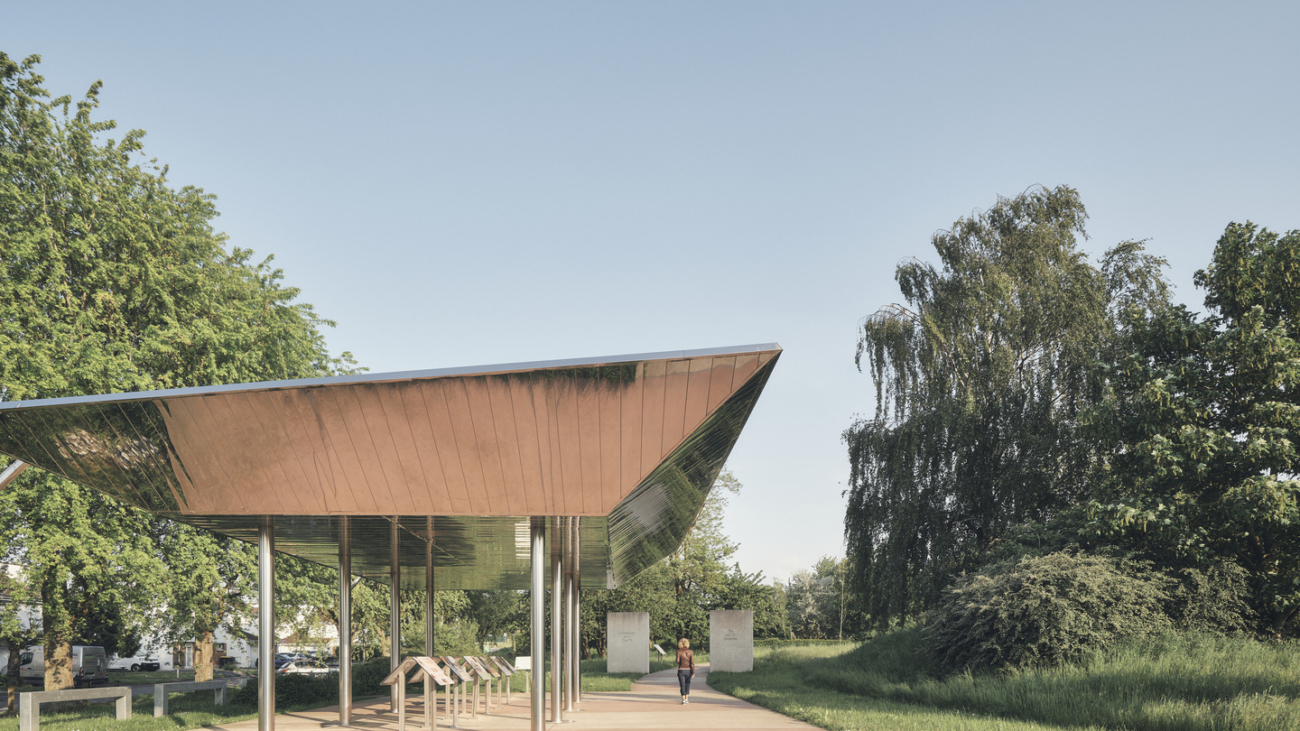
On June 10, Hill 70 Memorial Park will inaugurate the Brutinel Visitors Pavilion, a new focal point for visitors to the battlefield where the Canadian Corps launched its first major operation under Lieutenant-General Sir Arthur Currie in August 1917.

When

Wednesday, June 10, 2026

Ceremony begins: 12:45h local time, CEST

Media arrival and accreditation from: 12:00h

Where

Hill 70 Memorial Park

Rue Louis Faidherbe

62750 Loos-en-Gohelle

France

50°27'10.7"N 2°48'01.9"

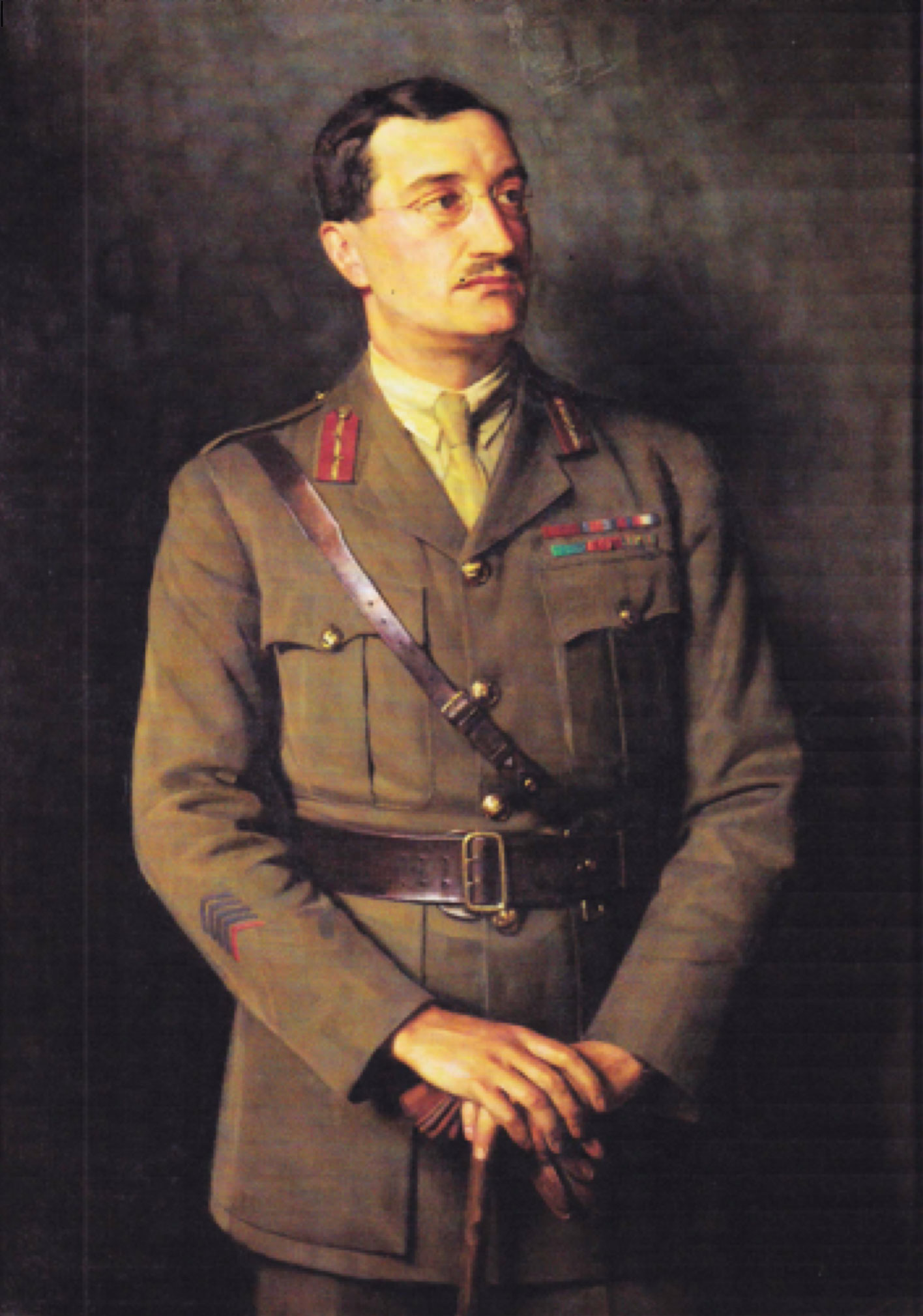
The pavilion is named for Brigadier-General Raymond Brutinel, a French-born Canadian officer who founded the Canadian Automobile (later Motor) Machine Gun Brigade — one of the first motorized machine-gun formations in the British Empire — and helped pioneer mobile and indirect machine-gun fire across the Allied forces. Together, the Hill 70 battlefield and the Brutinel story make June 10 a moment to revisit how Canada’s role in the First World War is understood – and what we can learn from it today.

 
raymond-brutinel-portrait

A defining Canadian victory on French soil

From 15 to 25 August 1917, the Canadian Corps attacked and captured Hill 70, a dominating height north of Lens that had been held by German forces since 1914. Currie’s plan called for seizing the high ground and forcing German troops to counter-attack uphill into prepared Canadian defensive fire.

The result was a costly but decisive victory:

  • The Canadian Corps captured and held the ridge, overlooking Lens and the surrounding approaches.
  • German forces launched multiple counterattacks and suffered heavy casualties against Canadian positions.
  • Canadian casualties ran into the thousands over ten days of fighting, while German losses were significantly higher.
  • Six Victoria Crosses were awarded to Canadians for actions at Hill 70.

Historians describe Hill 70 as the first major test of Currie’s leadership of the Canadian Corps and an important step in the sequence of Canadian victories that followed in 1918. Many sources now place Hill 70 alongside Vimy Ridge and Passchendaele in the story of Canada’s emergence as an independent military actor on the Western Front. Importantly, Hill 70 was the first Canadian-led operation up to that point in the war and was one that helped turn the tide in WWI.

Why Hill 70 matters now

Today, many countries are again debating how much they are prepared to invest in their own security and in the defence of shared values in an increasingly unstable world. Hill 70 is a reminder that Canada’s reputation abroad was not given to it; it was earned when a middle country chose to assume real responsibility for planning, resourcing and leading a complex operation — and then saw that decision through to victory but at great cost.

The questions that confronted Canada in 1917 — about readiness, resolve and assuming more than a supporting role — still echo today in current discussions about defence, alliances and sovereignty.

Brutinel: a French-born Canadian innovator

Raymond Brutinel was born in France, emigrated to Canada before the war and raised and commanded Canada’s first motorized machine-gun units. Under his leadership, the Canadian Automobile Machine Gun Brigade developed mobile firepower and indirect machine-gun methods that were adopted more widely across British forces.

Later promoted to Brigadier-General, Brutinel commanded the Canadian Independent Force and played a key role in the Canadian Corps’ mobile operations during the final stages of the war. His name on the pavilion at Hill 70 underlines the deep France–Canada connection at the heart of this battlefield story.

hp-herobanner

A permanent place of learning

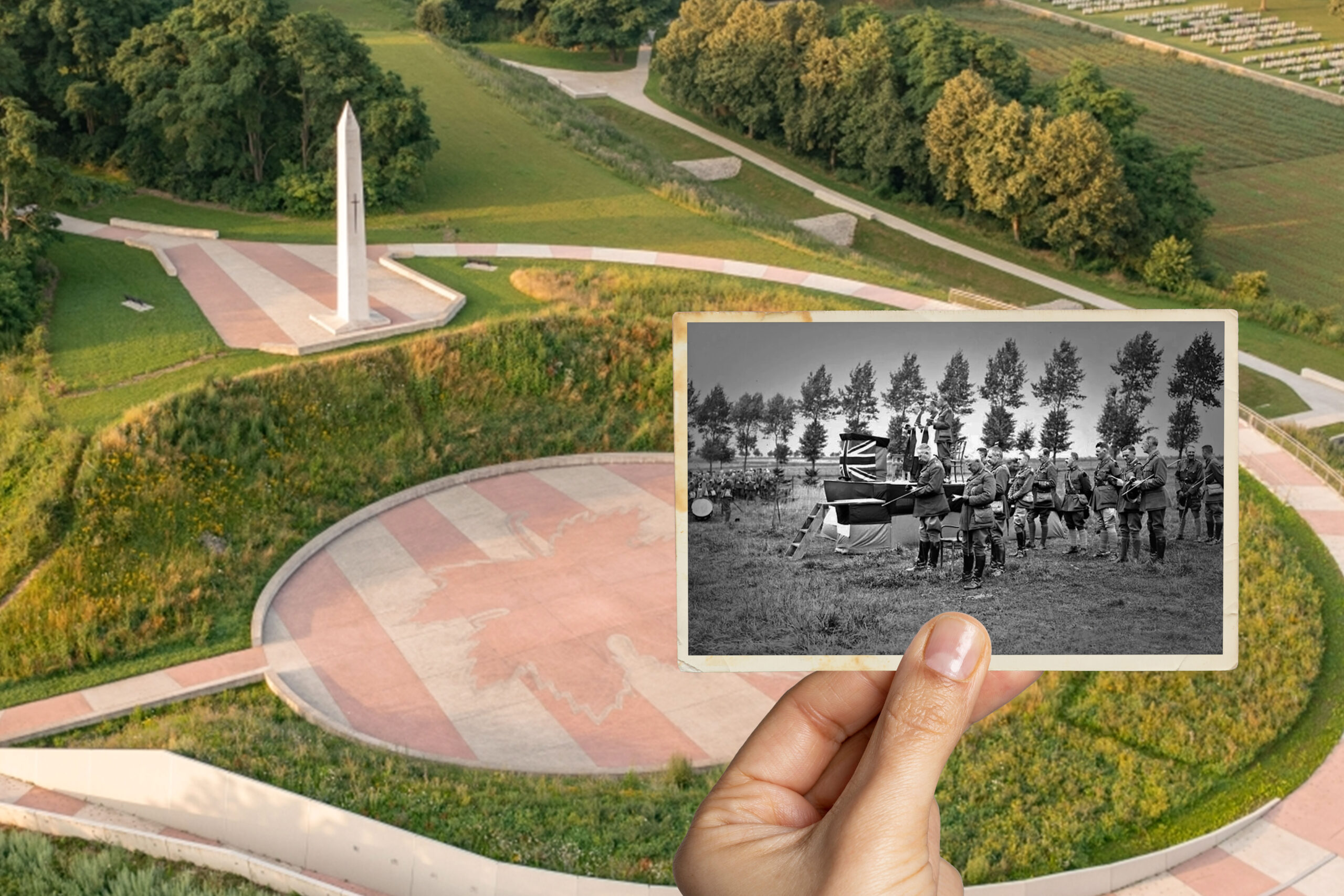
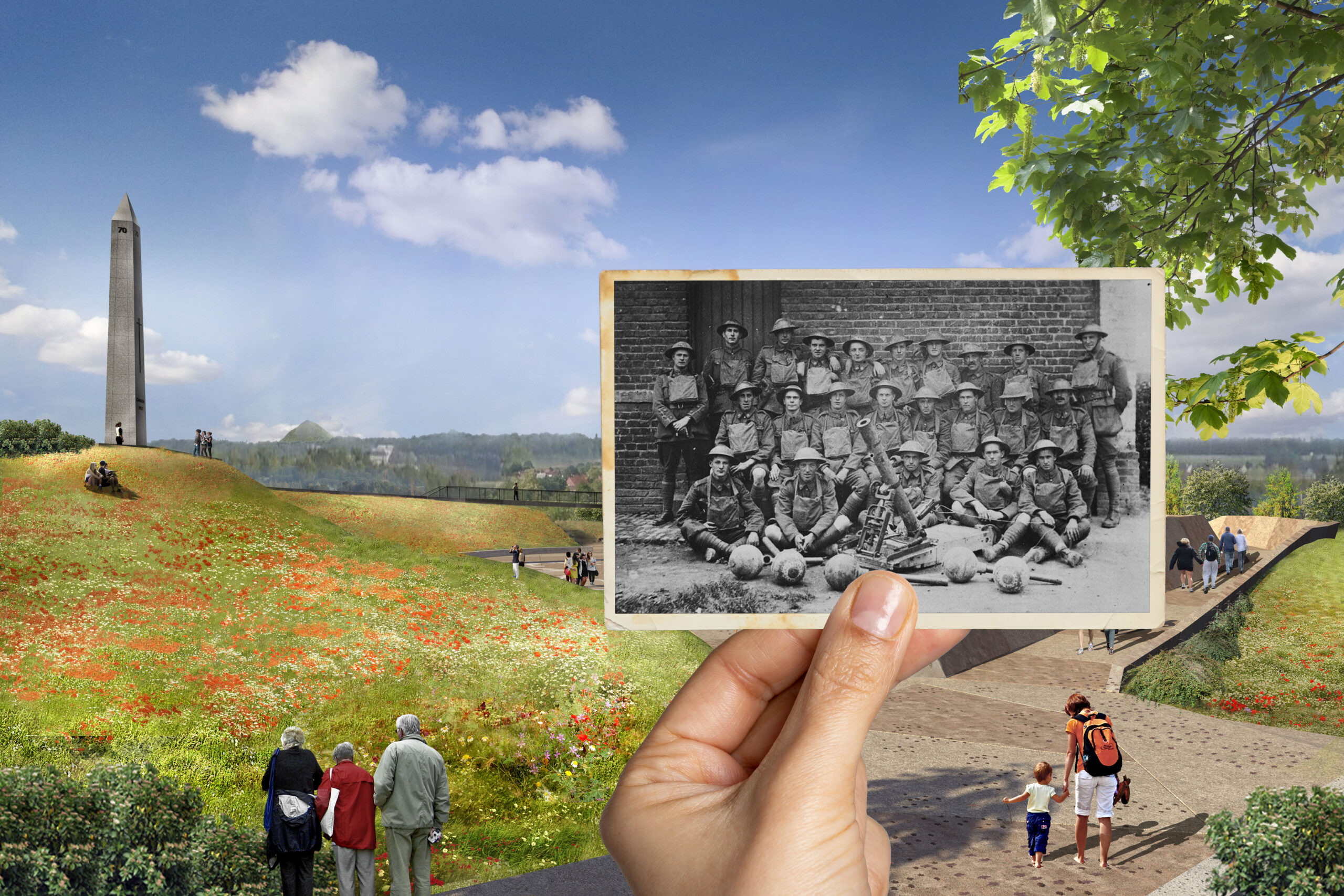
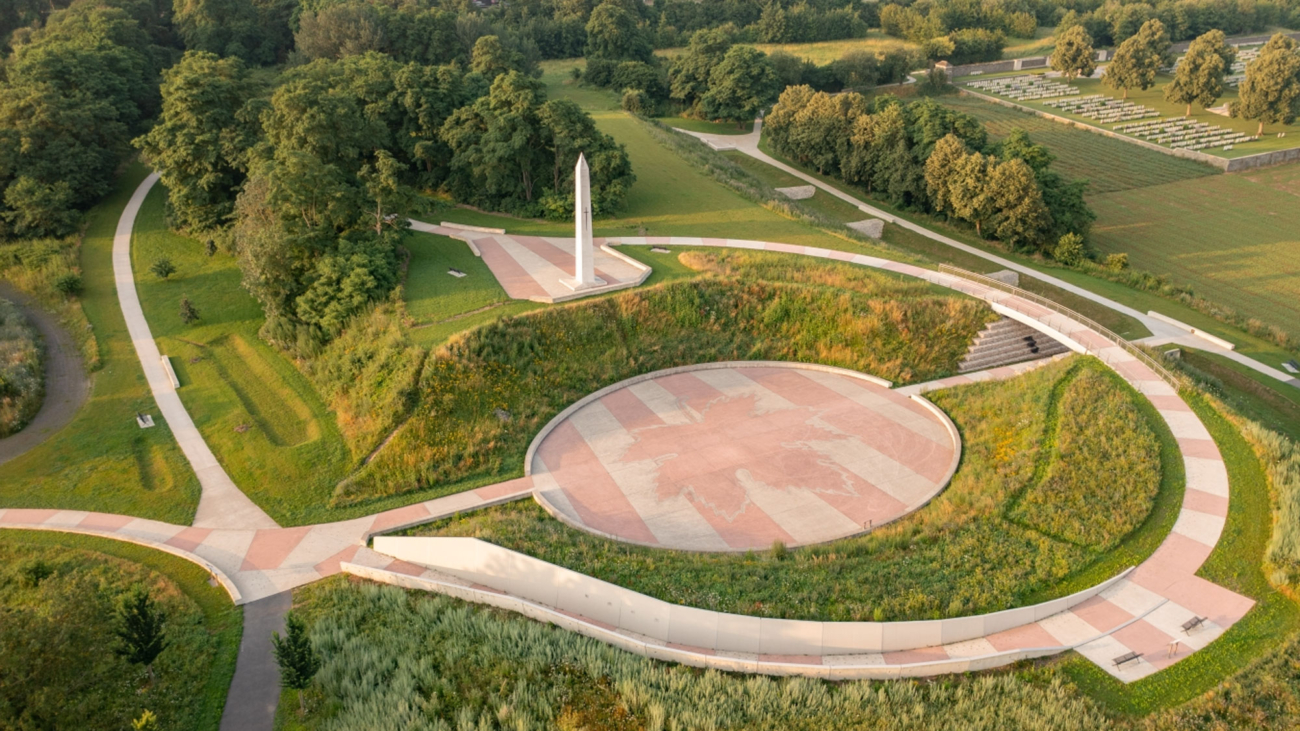
Opened to the public in 2017 and completed in 2019, Hill 70 Memorial Park is the only memorial site in Europe dedicated specifically to the Battle of Hill 70. The park includes a monument, interpretive trails, the Arthur Currie Amphitheatre and landscaped spaces that invite visitors to understand the battle in the context of the surrounding terrain. The Brutinel Visitor Pavilion will serve as the main welcome and interpretation point for tourists, school groups, and tour groups exploring the site.

“Hill 70 is where Canada took command,” said Mark Hutchings, Chairman of Hill 70 Memorial Park Project. “With the Brutinel Visitor Pavilion, we are paying tribute to that story with a permanent designation on the very ground where it unfolded — and a place to reflect on what that choice to lead still means today.”

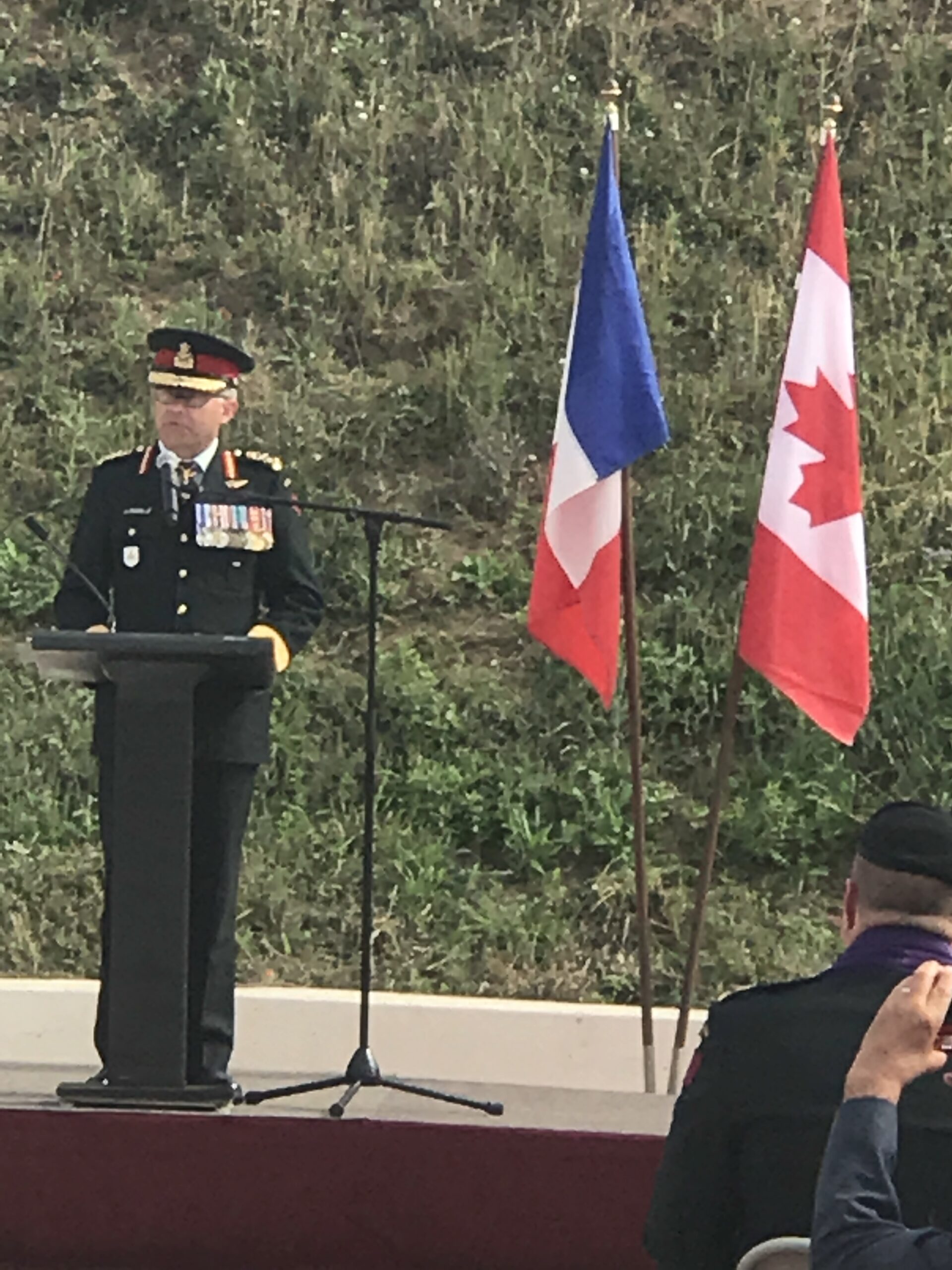
The inauguration ceremony on June 10 will bring together Canadian, French and other representatives to unveil the pavilion name, reflect on the battle’s legacy and highlight the Franco-Canadian bond embodied in Brutinel’s life.

Media are invited to attend. 

Program highlights for media:

  • Official remarks by Canadian and French representatives
  • Dedication of the Brutinel Visitor Pavilion
  • Short guided tour of the Hill 70 Memorial Park
  • Ceremony of remembrance for Canadian casualties of the battle
  • Photo and interview opportunities with dignitaries, historians and Hill 70 Memorial Park representatives

Visual opportunities:

Exterior shots of Hill 70 Memorial Park and the Monument

  • Unveiling of the Brutinel Visitor Pavilion
  • Flags of Canada and France
  • Hill 70 landscape around Loos-en-Gohelle and Lens
  • Ceremonial laying of wreaths
  • Live pipe band performance
  • School children placing flags on headstones

About Hill 70 Memorial Project:

Hill 70 Memorial Park honours the Canadian Corps’ victory in the August 1917 Battle of Hill 70, where more than 100,000 Canadians fought under Canadian command to seize and hold the high ground overlooking Lens in northern France. In ten days of intense fighting, Canadian troops repelled repeated counter‑attacks, inflicted heavy losses on German forces, helping to cement Canada’s reputation as an effective, independent fighting force. Completed in 2019, the Memorial Park’s monument, amphitheatre, and interpretive trails provide a dedicated site where visitors can learn about and reflect on this pivotal moment in Canada’s emergence as a nation.

Media accreditation & contacts:

To register for accreditation, receive the media kit, or request advance interviews, please contact:

Sonny Wong

Media

Hill 70 Memorial Park

Email: media@hill70.ca

Phone: +1-604-880-3758

Photo Credit - Castro Denissof Associate

Hill 70 Memorial Park to Inaugurate Brutinel Visitors Pavilion on June 10, 2026

08 May 2026: Kingston, ONOn Wednesday, 10 June 2026, Hill 70 Memorial Park in Loos-en-Gohelle, France, will inaugurate the Brutinel Visitors Pavilion, the visitor facility honouring Brigadier-General Raymond Brutinel — the French-born Canadian officer whose innovations in motorized machine-gun warfare helped shape Allied tactics in the First World War.

The ceremony will also highlight the significance of the Battle of Hill 70 (August 1917), the first major operation of the Canadian Corps under Lieutenant-General Sir Arthur Currie and one of Canada’s defining victories of the war.

When

Wednesday, June 10, 2026

Ceremony begins: 12:45h local time, CEST

Media arrival and accreditation from: 12:00h

Where

Hill 70 Memorial Park

Rue Louis Faidherbe

62750 Loos-en-Gohelle

France

50°27’10.7″N 2°48’01.9″

Why it matters

  • A defining Canadian battle on French soil. Hill 70 was the first major action of the Canadian Corps under Canadian command, planned and led by Sir Arthur Currie as Canada shifted from taking orders to giving them.
  • Strategic impact. The capture and defence of Hill 70, overlooking Lens, inflicted heavy casualties on German forces and helped tie down enemy divisions which otherwise would have reinforced the British led offensive in Passchendaele.
  • A Franco-Canadian story. Raymond Brutinel, born in France and later a Canadian officer, founded the Canadian Automobile (later Motor) Machine Gun Brigade and helped pioneer motorized and indirect machine-gun fire across the British forces. For his actions, he was subsequently awarded The Order of the Bath (CB), The Most Distinguished Order of Saint Michael and Saint George (CMG), The Distinguished Service Order (DSO), The Croix de Guerre (CdG) and The Legion of Honor (L.d’H). During the Second World War, he served with the French Resistance.
  • A permanent place of learning. Hill 70 Memorial Park is the only memorial in Europe dedicated specifically to the Battle of Hill 70 and serves as a place of remembrance and interpretation for Canadian, French, British and Belgian visitors alike.
  • Relevance today. At a time of renewed instability and debate about how countries safeguard their own sovereignty and contribute to collective security, Hill 70 is a reminder of how a middle power can come into its own by investing in capable forces and clear leadership.

Program highlights for media:

  • Official remarks by Canadian and French representatives
  • Dedication of the Brutinel Visitor Pavilion
  • Short guided tour of the Hill 70 Memorial Park
  • Ceremony of remembrance for Canadian casualties of the battle
  • Photo and interview opportunities with dignitaries, historians and Hill 70 Memorial Park representatives

Visual opportunities:

  • Exterior shots of Hill 70 Memorial Park and the Monument
  • Unveiling of the Brutinel Visitor Pavilion
  • Flags of Canada and France
  • Hill 70 landscape around Loos-en-Gohelle and Lens
  • Ceremonial laying of wreaths
  • Live pipe band performance
  • School children placing flags on headstones

About Hill 70 Memorial Project:

Hill 70 Memorial Park honours the Canadian Corps’ victory in the August 1917 Battle of Hill 70, where more than 100,000 Canadians fought under Canadian command to seize and hold the high ground overlooking Lens in northern France. In ten days of intense fighting, Canadian troops repelled repeated counter‑attacks, inflicted heavy losses on German forces, helping to cement Canada’s reputation as an effective, independent fighting force. Completed in 2019, the Memorial Park’s monument, amphitheatre and interpretive trails provide the only dedicated site in the world where visitors can learn about and reflect on this pivotal moment in Canada’s emergence as a nation on the Western Front.

Media accreditation & contacts:

To register for accreditation, receive the media kit, or request advance interviews, please contact:
Sonny Wong

Media

Hill 70 Memorial Park

Email: media@gold-pony-460453.hostingersite.com

Phone: +1-604-880-3758

Web: www.gold-pony-460453.hostingersite.com


— 30 —

Hill 70 - WWI Canadian Memorial - Loos en Gohelle

Ceremony in France Will Cap 8 Year Effort by Canadians

Hill 70 Memorial Last of Its Era in Europe

Loos-en-Gohelle, France – An eight-year effort by Canadian volunteers to build what is likely the last memorial to the First World War in Europe, will culminate in a completion ceremony here on 2 Oct. The event will be attended by relatives of the fallen, local citizens and dignitaries from Allied and Commonwealth nations.

The Hill 70 Memorial, with its striking white limestone obelisk, elevated pathways and maple-leaf amphitheatre, is finally set to open to the general public on a permanent basis in early October, after a widespread shortage of concrete last year forced a delay in its completion. Dedicated to the members of the Canadian Corps who fought at the Battle of Hill 70 from 15-25 August 1917, the memorial is the culmination of efforts by a group of determined Canadians who began work on the project in 2011.

The battle marked the first time the Canadian Corps had fought on its own and under a Canadian-born Commander – Arthur Currie. It was an extraordinarily hard-won victory for the Canadians, who repelled 21 German counter-attacks after taking the high ground. Six Victoria Crosses were awarded to members of the Corps, highlighting the intensity of the action that saw continual hand-to-hand combat. Some 5,700 Canadians casualties were sustained in taking and holding this objective.

But this great accomplishment, instrumental in hastening Canada’s path to nationhood, had somehow been overlooked by Canadian historians for almost a century. The Hill 70 Memorial Project set out to put things right.

“We were helping to write a page in our national history that had never been fully explained to Canadians.” said Mark Hutchings, Chairman of the Hill 70 Memorial Project.

To properly tell the story of Hill 70’s significance to as many Canadians as possible, the project’s volunteers developed a comprehensive education program. This included the commissioning an official history of Hill 70 that became a best seller on Amazon, the publication of educational kits distributed free of charge to 3,500 high schools across Canada, a series of historical videos, the funding of battlefield tours for Canadian history teachers, and a mobile exhibit that travelled the country.

“Looking back on everything now, it’s an astonishing body of work to have been accomplished by a volunteer-driven initiative that involved no Canadian public sector funding” said Dr. John Scott Cowan, the Hill 70 Vice Chair and Principal Emeritus of The Royal Military College of Canada.

The Project raised $12.5 million in donations and gifts in kind. Individual donations ranged from three dollars to $1.5 million and were received from Canadians from coast to coast. The governments of Ireland and France also contributed, and France saved the project $2 million by waiving taxes. Land for the memorial was provided by the town of Loos-en-Gohelle, which is located in the midst of the original Canadian start line of the battle, about 200 kilometres north of Paris.

Elements at the memorial site include walkways named for each of the Canadian Victoria Cross recipients, a walkway designated in honour of a Canadian-born soldier of Chinese heritage who died in the battle – Private Frederick Lee and a plaza dedicated to the 2,500 members of the Royal North West Mounted Police who fought in the Canadian Corps during the war.

The October 2 ceremony at the Hill 70 Memorial will feature a children’s choir from Lens, The Somme Battlefield Pipe Band, a RCMP contingent in scarlet dress, and a guard of honour from the French Army.

The location of the Hill 70 Memorial is Latitude: 50.452859 | Longitude: 2.800527

Media attending the event are asked to arrive prior to 12:00 pm Noon. A designated press area has been set up in the amphitheater at the site. A schedule for the day is available in advance upon request.

Additional Information:

Further background on the historical significance of the Battle of Hill 70, notes on the design & architecture of the memorial site, Frederick Lee, the RNWMP contingent of the Canadian Corps, and a map of the memorial’s location in Loos-en-Gohelle – France, may be found on the Project’s website at www.Hill70.ca under the tabs “Press Releases”.

A free audio/video series for visitors on the history of the Battle may be downloaded from the App Store: http://bit.ly/Hill70History or Goggle Play: http://bit.ly/Hill70history

Media Inquiries May be Directed To:

Kay Langmuir

The Hill 70 Memorial Project

Email: Hill70.ca@gmail.com

Phone: 613-484-2143

Marie Cousin

Attachée de Presse | Press Attachée

Ambassade du Canada / Embassy of Canada

Gouvernement du Canada | Government of Canada

130, rue du Faubourg Saint-Honoré. 75008 Paris – FRANCE

Tel : 01 44432258 / Cell : 07841411302

Email : Marie.Cousin@international.gc.ca